From Legacy to Legendary: Real-World Wins Modernizing with Proxmox, Kubernetes & Cloud
The Legacy Dilemma: Trapped in Yesterday's Technology
Every IT director or CTO knows the feeling. Your business depends on systems built years—sometimes decades—ago. They're reliable enough (most days), but they're holding you back. Maintenance costs keep climbing, finding qualified support becomes harder each year, and that agility your competitors boast about? It feels like a distant dream.
At Wolf Software Systems, we've guided dozens of organisations through this exact transition—from creaking legacy infrastructure to nimble, resilient, and cost-effective modern systems. This isn't just about swapping old tech for new; it's about fundamentally transforming your business capabilities.
The Modern Infrastructure Trinity
Before diving into success stories, let's briefly decode the powerful trio at the heart of today's most successful modernisation efforts:
Proxmox: The Virtualization Powerhouse
Proxmox Virtual Environment (PVE) serves as the bedrock of modern infrastructure. This open-source platform combines KVM hypervisor and container technologies with a comprehensive management interface. Unlike legacy virtualization, Proxmox delivers:
- Enterprise-grade features without enterprise-grade licensing costs
- Unified management of both VMs and containers
- Built-in high availability, live migration, and backup solutions
- Streamlined resource management through a web-based interface
Kubernetes: The Orchestration Maestro
If Proxmox provides the foundation, Kubernetes conducts the symphony. This container orchestration platform has revolutionized how applications are deployed, scaled, and managed:
- Automated deployment and scaling of containerised applications
- Self-healing capabilities that reduce operational overhead
- Declarative configuration that enables infrastructure-as-code practices
- Consistent environment management from development to production
Cloud Services: The Flexible Frontier
Whether public, private, or hybrid, cloud infrastructure completes the transformation by providing:
- On-demand resources that scale with your needs
- Managed services that reduce operational burdens
- Global reach for distributed teams and customers
- Consumption-based pricing that aligns costs with value
Real-World Transformation: Manufacturing Giant Escapes VM Sprawl
One of our most striking success stories comes from a UK-based manufacturing company with operations across Europe. Their situation might sound familiar:
- 200+ virtual machines spread across aging VMware clusters
- Licensing costs consuming over 35% of their IT budget
- 4-6 week lead times for new application environments
- Backup systems that frequently failed verification tests
Their transformation journey began with a comprehensive assessment of their application landscape, identifying workloads suitable for containerization versus those needing traditional VMs.
We implemented a hybrid approach:
- Foundation: Deployed Proxmox clusters to replace ageing VMware infrastructure, immediately reducing licensing costs by 62%.
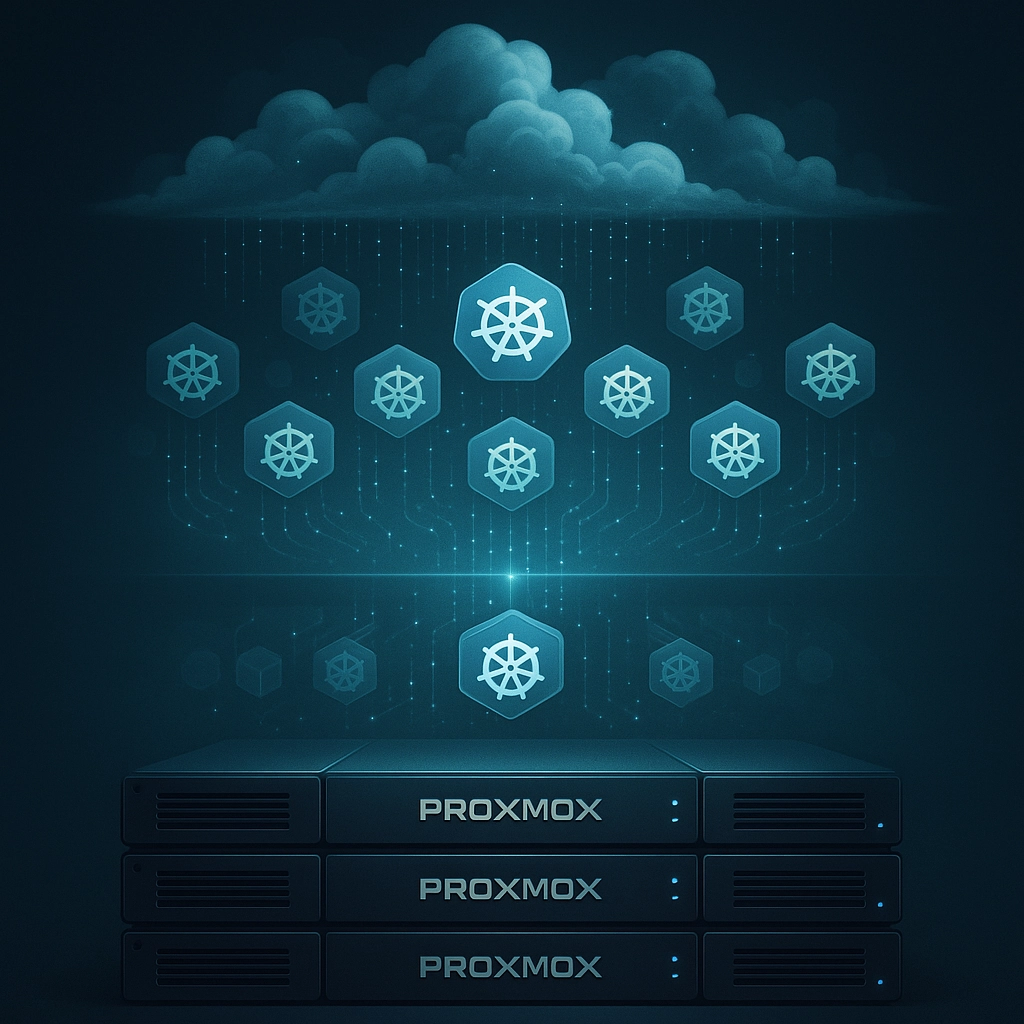
- Orchestration: Established Kubernetes clusters on Proxmox for modern and containerizable workloads.
- Migration: Systematically migrated applications using a "strangler fig" pattern—gradually replacing components without disrupting business operations.
- Optimisationmodernisation: Implemented CI/CD pipelines and infrastructure-as-code practices to accelerate delivery.
The results transformed both their technology and business capabilities:
- Infrastructure costs reduced by 48% overall
- New environment provisioning time cut from weeks to minutes
- Backup success rate improved from 76% to 99.8%
- Developer productivity increased by 35% (by their own measurements)
Most importantly, they went from spending 82% of IT resources "keeping the lights on" to investing in innovation and competitive advantage.
Finance Sector: Legacy Banking Application Reborn
A financial services provider faced a different challenge: a mission-critical banking application built on a monolithic architecture that had become increasingly unstable and impossible to scale.
Rather than a risky "big bang" replacement, we implemented a strategic modernisation:
- Infrastructure Modernisation: Established a new Proxmox-based infrastructure alongside their existing environment.
- Containerization Strategy: Identified application components suitable for early containerization.
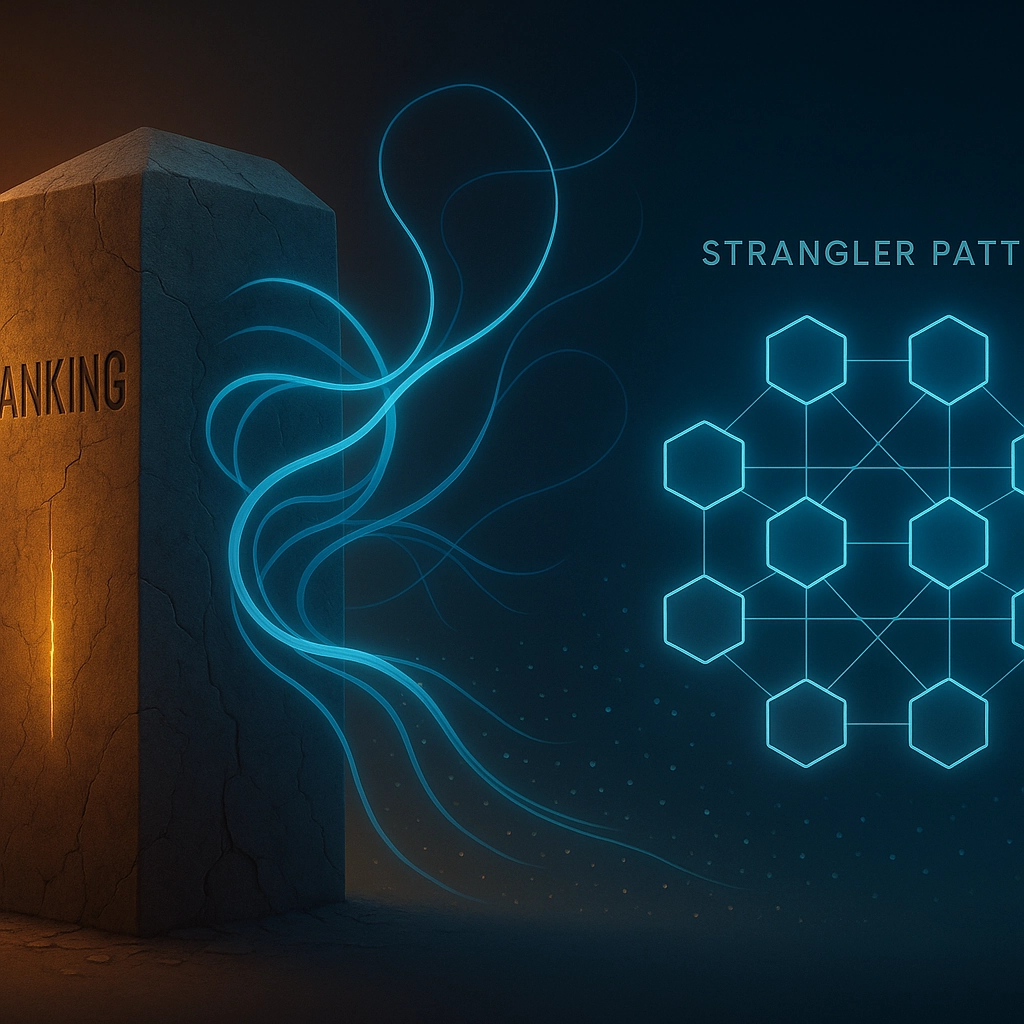
- Strangler Pattern Implementation: Gradually intercepted requests to the monolith, redirecting them to newly synchronisation microservices running on Kubernetes.
- Database Modernization: Implemented data synchronisationModernisation between legacy and modern databases, enabling gradual migration.
The transformation unfolded over 14 months, with business operations continuing uninterrupted throughout. The outcomes exceeded even optimistic projections:
- 93% reduction in critical incidents
- 300% improvement in transaction processing capacity
- 76% faster feature delivery
- Elastic scaling capability that eliminated previous performance bottlenecks during month-end processing
The CIO's verdict: "We've gone from spending board meetings explaining system outages to discussing new market opportunities. It's a completely different conversation."
Healthcare Provider: Hybrid Cloud Transformation
A healthcare solutions provider faced unique challenges: strict data sovereignty requirements, legacy integration needs, and rapidly growing demand for their services.
Their situation demanded a hybrid approach:
- On-Premises Foundation: Implemented Proxmox clusters for workloads requiring stringent data controls.
- Kubernetes Orchestration: Deployed Kubernetes across both on-premises and cloud environments, providing a consistent management plane.
- Cloud Integration: Selectively leveraged cloud services for appropriate workloads, particularly development and testing environments.
- Unified Operations: Implemented consistent monitoring, security, and operational practices across the hybrid environment.
The results demonstrated the power of this hybrid approach:
- Development velocity increased by 240%
- Infrastructure costs 32% lower than cloud-only alternatives
- 99.99% service availability (up from 98.2%)
- Achieved full regulatory compliance while modernizing
Key Implementation Strategies for Successful Modernization
These success stories reveal consistent patterns that organizations can follow:
1. Start with Assessment, Not Technology
Successful modernization begins with understanding your current landscape:
- Application dependencies and integration points
- Performance characteristics and requirements
- Security and compliance considerations
- Business criticality and tolerance for change
2. Adopt a Phased, Incremental Approach
The "big bang" replacement rarely succeeds. Instead:
- Identify high-value, lower-risk components for initial migration
- Implement strangler patterns to gradually redirect traffic
- Maintain parallel systems during transition periods
- Validate thoroughly before decommissioning legacy components
3. Focus on Operational Transformation, Not Just Technology
New technology requires new operational practices:
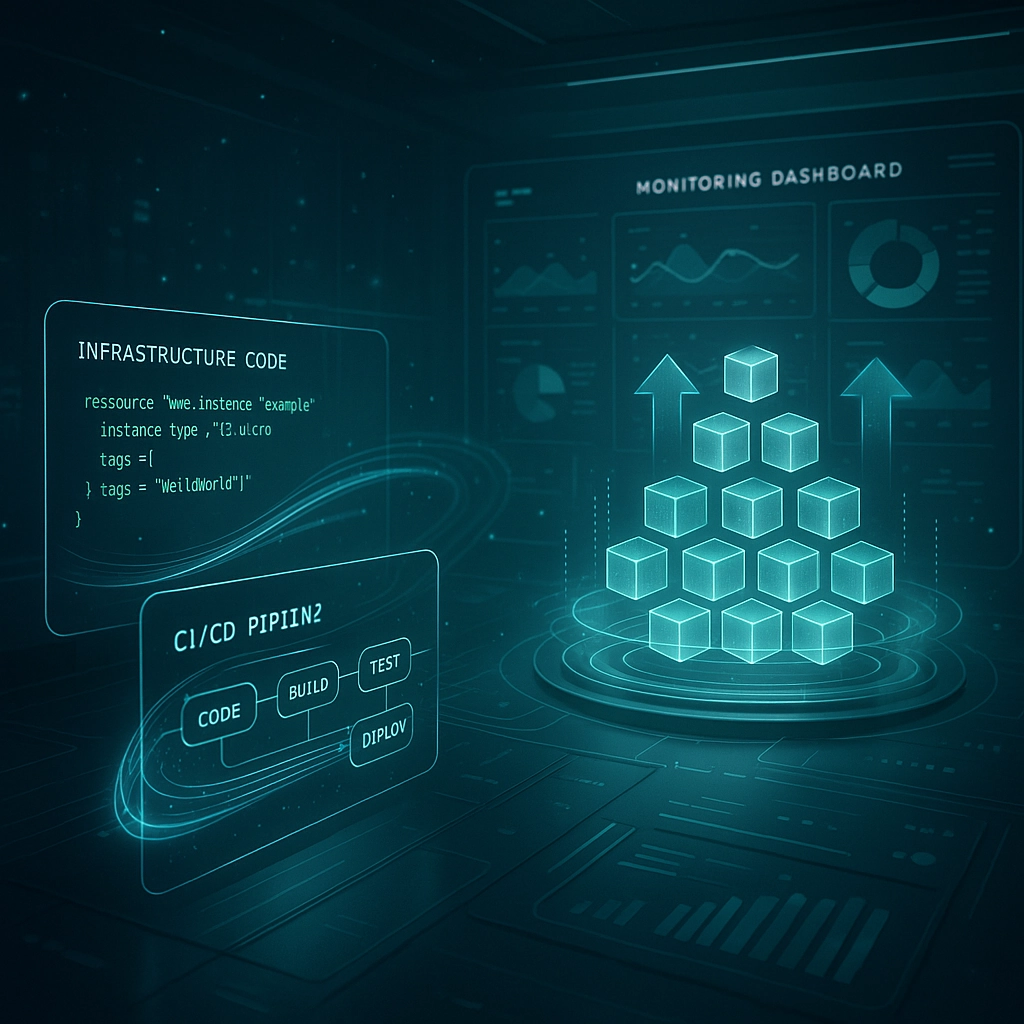
- Infrastructure as code for consistency and repeatability
- CI/CD pipelines for reliable, automated deployments
- Comprehensive monitoring across the entire stack
- Security practices appropriate for containerized environments
4. Invest in Skills Development
Technology transformation requires people transformation:
- Upskill existing teams on modern platforms
- Develop new operational practices appropriate for containerized environments
- Create cross-functional teams that bridge development and operations
- Foster a culture of continuous learning and experimentation
Beyond Technology: The Business Impact
While the technical benefits are compelling, the real value comes from business transformation:
- Accelerated Innovation: From months to minutes for new initiatives
- Cost Alignment: Pay for what you use, scale when you need
- Resilience: Systems that self-heal and adapt to changing conditions
- Talent Attraction: Modern platforms attract and retain technical talent
- Competitive Agility: Respond to market changes in days, not quarters
Starting Your Modernization Journey
Ready to transform your legacy infrastructure into a modern, agile platform? Here's how to begin:
- Assessment: Evaluate your current environment and identify modernization opportunities
- Strategy: Develop a phased approach with clear milestones and success criteria
- Pilot: Start with a contained project to demonstrate value and build momentum
- Scale: Expand successful patterns across your application portfolio
- Optimize: Continuously refine and improve your modern infrastructure
Your Legacy to Legendary Transformation
At Wolf Software Systems, we've guided organizations across industries through successful modernization journeys. We understand that each transformation is unique, requiring a tailored approach that balances technical possibilities with business realities.
The path from legacy to legendary isn't about technology for technology's sake—it's about creating infrastructure that enables your business to innovate faster, operate more efficiently, and deliver more value to your customers.
Ready to start your transformation journey? Contact us for a no-obligation assessment of your modernization opportunities.